Breaking Barriers: Real Ways to Combat the Childhood Health Epidemic
Staying healthy is tough for kids today. Rising screen time, poor eating habits, and inactivity have led to a serious childhood health epidemic that affects both physical and emotional well-being. Kids struggle with energy, self-confidence, and sometimes even basic fitness. A supportive approach, combining guidance, education, and practical strategies, can make a real difference. For parents, knowing how to guide children without creating stress is key to helping them develop lifelong healthy habits.
Personalized Guidance: Helping Every Child Thrive
Generic advice rarely works for kids. Each child is different, and holistic guidance helps them thrive. Trainers, nutrition coaches, or parents can help by:
- Setting achievable goals for daily activity
- Offering positive reinforcement rather than criticism
- Monitoring progress and celebrating small wins
For example, a child learning to enjoy daily walks or simple exercises gains confidence, which encourages further activity. Personalized attention keeps kids engaged and prevents frustration or giving up.
Turning Healthy Habits into Play: Engaging Ways Kids Stay Active and Eat Well
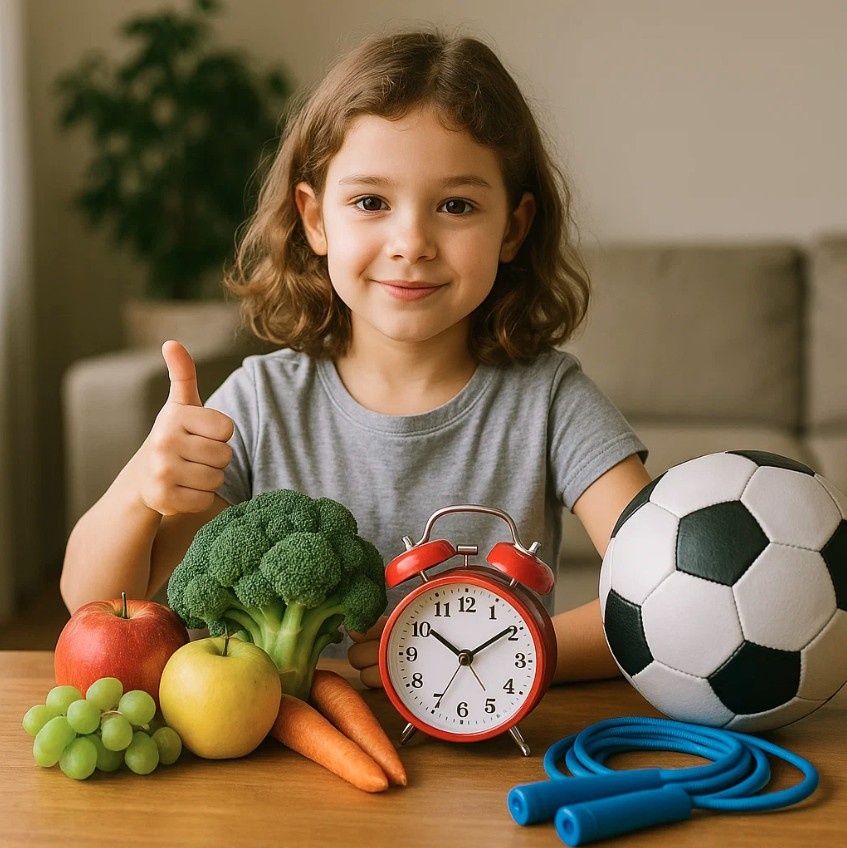
Healthy habits shouldn’t feel like punishment. A child can still enjoy treats occasionally while learning balance. Structured routines, playful physical activity, and interactive nutrition lessons make the process enjoyable. Small lifestyle changes, like swapping sugary drinks for water or adding vegetables to snacks, can gradually improve health. These manageable steps build confidence, showing children that healthy living is both fun and achievable.
Understanding Serious Risks Like High Blood Pressure in Children
Obesity isn’t the only concern. Increasingly, kids face conditions like high blood pressure in children, which can lead to long-term heart and kidney problems. Parents and caregivers need practical strategies to prevent these risks, such as:
- Encouraging active play rather than screen-only time
- Teaching portion control in a fun, non-restrictive way
- Integrating routine health checks to monitor vital signs
Awareness of these risks motivates families to adopt consistent and realistic lifestyle changes without instilling fear. It helps parents guide their children gently, fostering long-term habits that support overall well-being.
Boosting Self-Esteem: How Empowerment Shapes Healthy Kids?
Empowerment is critical. When kids understand why choices matter and feel capable of making decisions about food and activity, they are more likely to stick with healthy routines. Simple educational activities, like preparing a balanced snack or tracking daily movement, teach responsibility while boosting self-esteem. This sense of control also helps children build confidence that extends beyond health, influencing school, friendships, and daily challenges.
Building a Nurturing Space for Lasting Healthy Habits
Consistency matters. Homes, schools, and local communities can reinforce healthy habits by:
- Offering accessible nutritious options
- Scheduling group or family physical activities
- Providing gentle guidance rather than pressure
A nurturing environment helps kids turn healthy habits into lasting routines. Encouragement from parents, teachers, and friends makes them feel confident in their choices, while consistent support reinforces these behaviors. Over time, staying active and eating well becomes second nature, shaping a lifestyle they can enjoy and sustain.
Bottom Line
Combating the childhood health epidemic requires empathy, education, and actionable strategies. Parents and children need guidance that’s both practical and encouraging. Dr. Rick focuses on creating programs that empower kids to make healthier choices, develop confidence, and adopt sustainable routines. By combining knowledge, playful activity, and supportive strategies, families can break barriers and foster lasting well-being. Partnering with me ensures kids gain tools for success, health, and happiness for years to come.