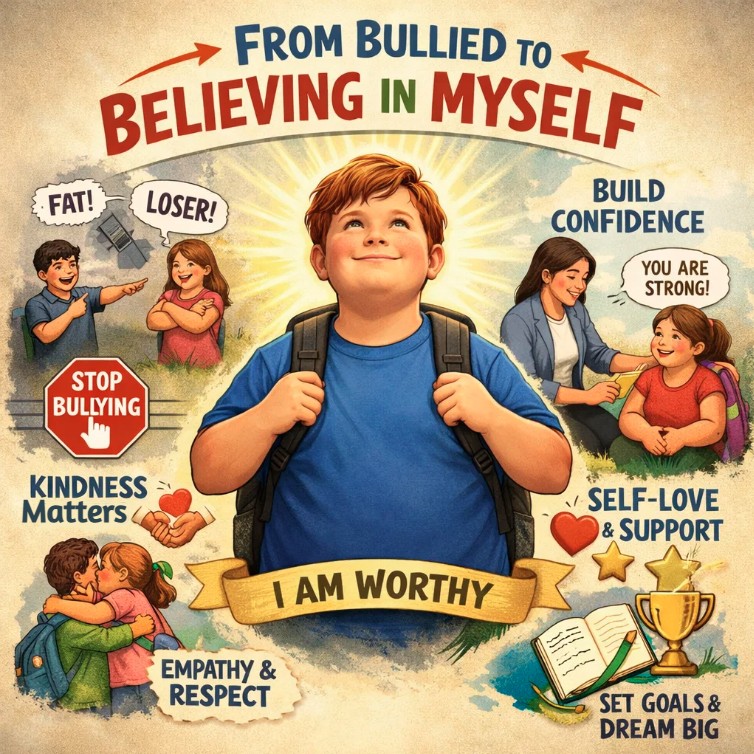
How Anti-Bullying for Overweight Children Encourages Positive Self-Belief?
Some kids step through the school gates with their heads high, while others tense up, eyes down, already bracing for what the day might throw at them. Words, looks, and whispers shape how children see themselves. Weight-based teasing hurts deeper than most adults realize. Right in the middle of this struggle sits anti-bullying for overweight children, not as a rulebook, but as a way to help kids rebuild confidence, voice, and pride.
Bullying leaves marks that don’t fade fast. A joke today can turn into fear tomorrow. So, kids, stop raising hands. They stop joining games. They stop trusting mirrors. However, support systems that focus on respect and self-worth help flip that story. Confidence grows when kids feel safe being themselves.
Why Weight-Based Bullying Hits So Hard?
Teasing about size attacks identity. Kids already feel unsure about bodies that change fast. Hurtful comments add shame to that mix. So children start thinking that something feels wrong with them. Also, bullying often happens in public spaces. Classrooms. Cafeterias. Playgrounds. That public setting makes kids feel trapped. Fear grows louder when escape feels impossible.
Silence Makes the Pain Feel Bigger
Kids don’t always speak up. Some fear trouble. Others feel adults won’t listen. Silence then becomes a shield. But silence also feeds self-doubt. When bullying goes unchecked, kids may believe lies told about them. That belief chips away at self-belief piece by piece. Therefore, early support matters more than punishment alone.
Anti-Bullying Isn’t About Rules, It’s About Voice
Strong anti-bullying programs teach kids how to speak up. They don’t just say “stop bullying.” They show children how to respond, who to trust, and why kindness matters. Kids learn that their voice holds value. They learn that respect doesn’t depend on size. That lesson changes how they walk, talk, and interact.
Self-Belief Starts With Feeling Seen
Children gain confidence when adults listen. A teacher who pauses. A parent who asks questions. A coach who notices mood changes. These moments tell kids, “You matter.” That message builds inner strength. So when bullying happens, kids don’t crumble. They stand steadier.
How Stories Help Kids Reframe Their Identity?
Books play a quiet but strong role. Stories help kids see themselves without shame. They show characters who face teasing and still rise. That’s where anti-bullying books for children help. They don’t preach. They relate. Kids see emotions that match their own. Hope then feels real, not forced.
Learning Respect Through Everyday Actions
Anti-bullying education works best when it feels normal. Not lectures. Not punishments. Just daily habits. Kids learn things like:
- How to treat classmates with care
- How to include others in play
- How to ask for help early
These habits shape school culture. Respect then feels natural, not forced.
Confidence Grows When Food Isn’t the Villain
Weight talk often turns into food blame. That blame hurts kids fast. Healthy programs shift focus away from fear. They teach balance, timing, and body trust. Kids learn how proteins, fats, carbohydrates, and sugars work together. They learn when to eat, not what to fear. That knowledge removes guilt from the table.
Families Play a Bigger Role Than They Think
Parents set the tone at home. Words spoken at dinner stick longer than school comments. Supportive families help kids feel safe.
Helpful habits include:
- Listening without fixing fast
- Avoiding body jokes
- Praising effort, not looks
These actions build trust. Trust fuels confidence.
Why Education Works Better Than Punishment?
Punishment stops actions for a moment. Education changes mindset. Anti-bullying programs that teach empathy last longer. Kids learn impact. They learn responsibility. They learn that words carry weight.
Confidence Helps Kids Handle Setbacks
Life won’t always feel kind. Self-belief helps kids recover faster. Confident kids ask for help. They don’t blame themselves. That skill matters beyond school. It shapes adulthood too.
Programs That Include Everyone Work Best
Support should reach every child. Rich. Poor. Every background. Simple systems help more families succeed. No pills. No special meals. Just education, timing, and support. That approach removes pressure and builds pride.
In Closing
Kids don’t need fixing. They need understanding. When support focuses on voice, respect, and balance, confidence grows naturally. That truth appears again and again in anti-bullying for overweight children, where self-belief replaces shame and strength replaces fear.
That philosophy guides Dr. Rick and his work with families. I help children learn how bodies work without guilt or pressure. My approach supports confidence, balance, and joy for kids from every background. That support helps children grow stronger inside and out.