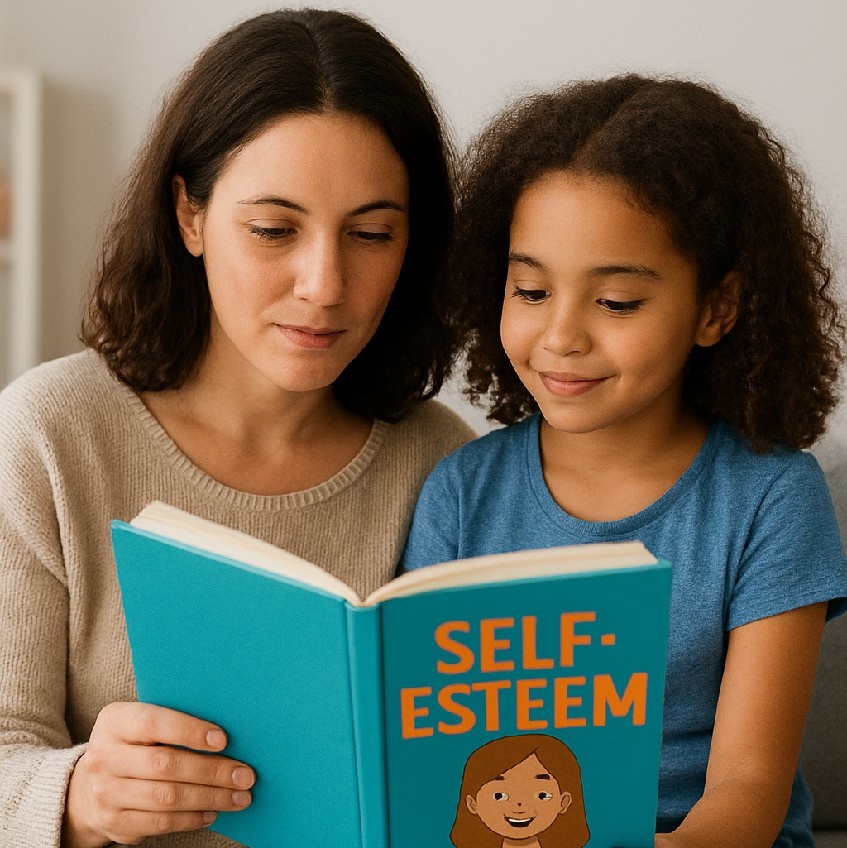
How Reading a Child’s Self-Esteem Book Builds Resilience Against Bullying?
Bullying can leave lasting scars on a child’s confidence and sense of self. For many kids, facing taunts, exclusion, or criticism at school can feel overwhelming. A child self-esteem book provides guidance, teaching children how to recognize their value and respond to negative situations with confidence. It doesn’t just tell them to “be strong”; it provides practical steps they can apply every day.
Understanding the Impact of Bullying
Children who experience bullying often struggle silently. They may:
- Doubt their abilities or feel unworthy
- Avoid social situations or extracurricular activities
- Develop anxiety or stress related to school
- Compare themselves negatively to peers
By reading stories, exercises, and examples in a child self-esteem book, children start identifying their strengths. They learn that setbacks and unkind words don’t define them, and that their feelings are valid.
How do Books Teach Coping Strategies?
Books designed for self-esteem often:
- Encourage children to speak up calmly when treated unfairly
- Show examples of positive self-talk and mindset shifts
- Illustrate ways to ask for help from teachers or friends
- Offer fun exercises that reinforce personal value
For example, some programs include lessons similar to a child weight management book, where children track their progress in small, achievable ways. These activities build confidence gradually, showing kids that consistent effort pays off.
Encouraging Emotional Resilience
Reading about characters overcoming challenges allows children to:
- Relate to experiences without feeling isolated
- Recognize that mistakes or teasing don’t define them
- Build patience, empathy, and problem-solving skills
- Feel empowered to handle conflicts constructively
It’s important that children understand resilience isn’t about never feeling upset. Rather, it’s about bouncing back and maintaining self-respect. A well-structured book teaches this while keeping the content engaging and relatable.
Building Peer Support and Positive Friendships
Children who have supportive friends are less affected by bullying. A child self-esteem book can guide kids on identifying trustworthy peers and forming healthy friendships. By learning to communicate openly, share feelings, and stand up for each other, children feel a sense of belonging. Positive social connections reinforce confidence and teach that asking for help is a strength, not a weakness.
Making Lessons Stick in Daily Life
Parents and educators can reinforce lessons by:
- Discussing book scenarios during daily routines
- Praising effort and emotional growth rather than just outcomes
- Encouraging active play or mindfulness exercises
- Modeling respectful communication in stressful situations
By connecting the lessons from a child self-esteem book with healthy eating habits, kids learn to care for themselves in multiple ways. They see that resilience isn’t just about handling teasing, it also includes making small, consistent choices that improve their energy and mood. Programs like the Ice Cream for Dinner Program show children that eating well doesn’t mean restriction. Everyone can participate, no matter their background or what foods they have at home, and they can even enjoy treats in a balanced way.
Bottom Line
A child self-esteem book equips kids with tools to face bullying confidently while supporting healthy habits. Dr. Rick’s program helps children develop self-assurance, make balanced food choices, and build lasting routines that strengthen both body and mind. Families near you can access his guidance, ensuring every child, whether from a high-income or modest household, gains the confidence, skills, and support to thrive emotionally and physically.