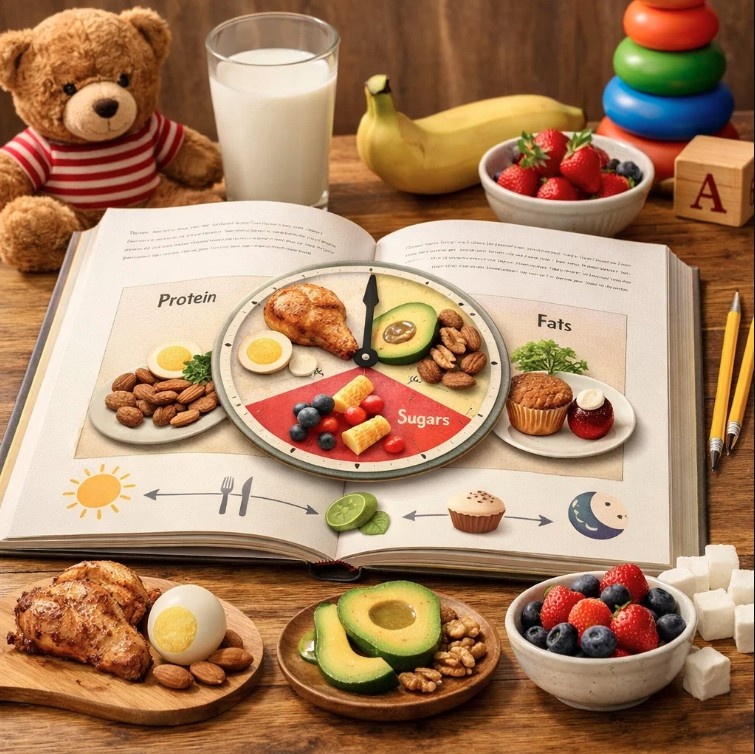
What Books on Childhood Health Teach About Timing Proteins, Fats, and Sugars?
Why do some kids eat the same food as others but feel better, move more, and smile wider? The answer doesn’t sit on the plate. It sits on the clock. That idea shows up again and again in modern health writing, especially in books on childhood health epidemic, where timing matters more than strict food rules. Parents hear food advice every day. Eat this. Avoid that. Count this. Skip that. Kids hear it too. Then frustration starts. So stress grows.
But a different way now grabs attention. This way teaches kids how and when to eat, not what to fear.
Timing Beats Restriction Every Single Time
Food rules often feel heavy for kids. They feel watched. They feel judged. Timing flips that script. Kids eat foods they already know. They just eat them in a smarter order. That simple shift helps the body handle energy better. So moods stay steady. Focus improves. Play lasts longer.
This idea stays front and center in books on childhood health epidemics, because kids respond better to guidance than limits.
Why Proteins Need the Right Moment?
Protein helps kids feel full. It also helps muscles grow and brains stay sharp. But timing changes how strong that effect feels. Protein works best earlier in the day or before activity. That way, kids use it for growth and play, not storage. Examples kids understand fast:
- Eggs before school help focus
- Chicken before playtime supports movement
- Beans earlier stop snack crashes
No fear. No labels. Just smart order.
Fats Work Better When the Body Is Ready
Fat scares parents. Kids love it. The problem isn’t fat. The problem lies in timing. When kids eat fats later or after balanced foods, the body handles them better. Energy stays smooth. Tummies stay calm. Good timing also helps kids avoid sudden hunger swings. That means fewer meltdowns and less nagging. A strong book for raising healthy kids explains this without charts or science talk. Kids get it fast.
Sugars Aren’t the Enemy People Say They Are
Sugar sparks fear in homes. But sugar itself doesn’t cause chaos. Timing does. When kids eat sugar alone or late, energy spikes fast. Then it crashes. But when sugar comes after balanced foods, the body reacts calmly.
That’s why ice cream doesn’t need to disappear. It just needs better placement in the day. This lesson feels freeing for kids. They stop sneaking food. Trust grows.
Why Kids Understand Timing Faster Than Adults?
Kids live in the moment. They don’t track numbers. So timing clicks quicker than rules. They learn ideas like:
- Eat fuel before action
- Balance first, fun later
- Use energy, don’t store it
These lessons stick because kids feel the result.
They run longer. They sleep better. They feel proud.
A strong book for raising healthy kids always puts feelings before formulas.
The Ice Cream Lesson That Changes Everything
Ice cream sounds like rebellion. But here, ice cream teaches control. Eating fun food early removes obsession. Kids don’t beg later. They don’t hide snacks. That lesson builds confidence. Kids stop fearing food. They start understanding it. This approach works across income levels. Steak or hotdog. The body doesn’t care. Timing still wins.
Why This Approach Works for Every Family?
Some programs fail because they feel exclusive. This one doesn’t. Kids eat what families already buy. No pills. No special meals. No stress. The focus stays on:
- Proteins
- Carbohydrates
- Fats
- Sugars
The lesson centers on when, not what. That’s why books on childhood health epidemics now lean toward education, not control.
Why Metabolism Matters More Than Meal Rules?
Metabolism sounds complex. It isn’t. It’s how the body uses energy. When kids eat at the right times, their metabolism stays active. Energy flows. Fat doesn’t pile up. That message feels powerful. Kids feel in charge, not trapped.
A clear book for raising healthy kids explains this in plain words, so families don’t feel lost.
Final Remarks
Food doesn’t need fear. Kids don’t need pressure. They need timing, trust, and simple guidance. That message appears clearly in books on childhood health epidemic, especially those that teach kids how energy works instead of what food to avoid. This approach builds strong habits without stress. It helps kids feel proud, capable, and confident. That’s where Dr. Rick stands out. I focus on teaching kids how their bodies work, not forcing food rules. My approach supports families from every background. That balance helps kids grow healthier without losing joy.